What Happens to Old Roofing Materials After Replacement?
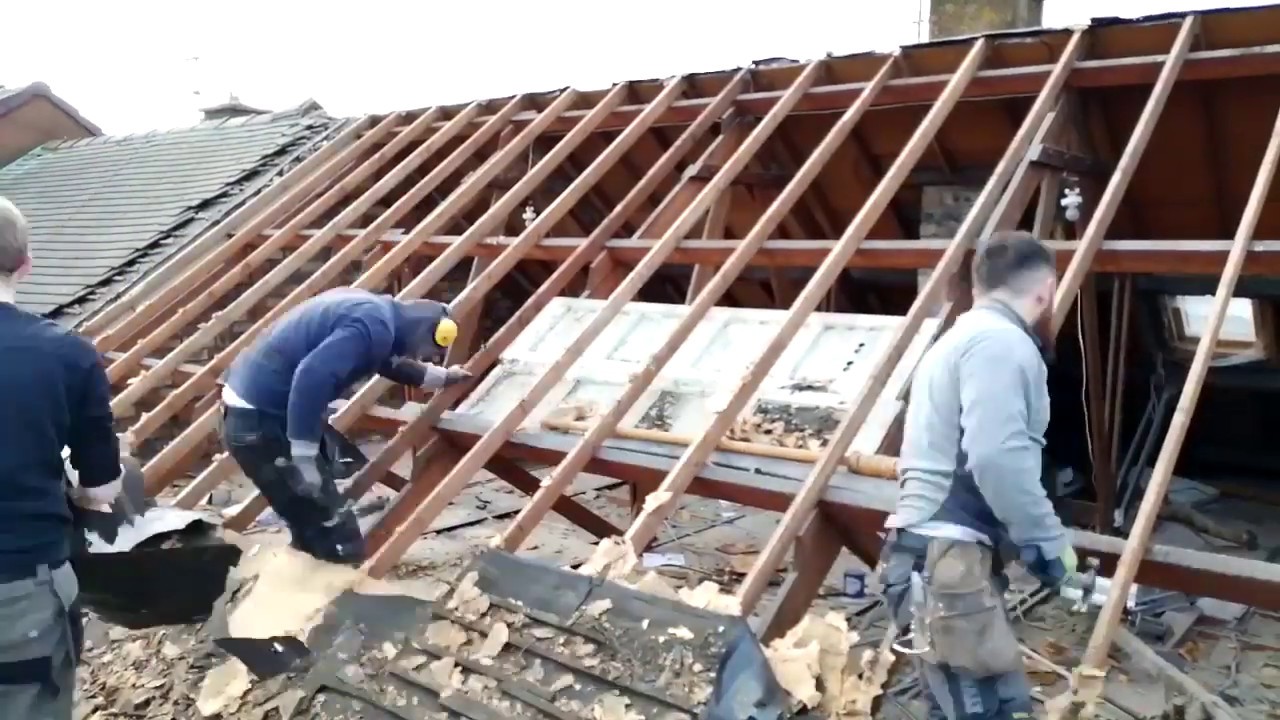
When a roof replacement is finished, most Canberra homeowners rarely think about where the old materials end up. A typical residential re-roof produces several tonnes of waste, including tiles, metal sheeting, timber, insulation and fixings. How that material is handled affects your project's cost, the environment and your legal obligations. This guide explains what happens to old roofing materials in 2026, what the rules are in the ACT, and what to ask your roofer before work begins.
How Much Waste Does a Roof Replacement Produce?
The volume depends on the size of the roof and the material being removed. A standard Canberra home with a roof area of 200 to 250 square metres can generate anywhere from two to ten tonnes of waste. Concrete and terracotta tiles are heavy, so a tiled roof produces far more weight than a Colorbond or Zincalume steel roof, even though both may cover the same area.
Common waste streams from a re-roof include:
- Concrete and terracotta tiles, which are the heaviest component of most older Canberra roofs
- Metal roofing and flashings, including corrugated iron, Colorbond steel, gutters and ridge capping
- Timber battens and sarking, which may be treated or untreated
- Old insulation batts and foil sarking
- Mortar, bedding compound and fixings such as nails, screws and clips
- Asbestos-containing materials, which are found in some homes built before the late 1980s
What Happens to Each Type of Roofing Material?
Metal Roofing
Steel and aluminium roofing is one of the most recyclable building materials available. Scrap metal yards in the Canberra and Queanbeyan region accept old roof sheeting, gutters and flashings, and many roofing contractors take the metal themselves. Because scrap steel has market value, the recovered metal can help offset some of the disposal costs. The metal is melted down and reused in new steel products, which uses significantly less energy than producing steel from raw ore.
Concrete and Terracotta Tiles
Tiles are bulky and heavy, which makes disposal costly if they go to landfill. Increasingly, broken and removed tiles are crushed at construction and demolition recycling facilities and reused as road base, drainage aggregate, fill and landscaping material. Tiles in good condition may also be resold or reused for repairs on other roofs, particularly for heritage or older terracotta styles that are hard to source new.

Timber
Untreated timber battens and framing can often be chipped for mulch or used as biomass fuel. Treated timber, such as copper chrome arsenate (CCA) or other preservative-treated products, needs more careful handling and generally should not be mulched or burned. Roofers should separate timber types at the point of removal so each can go to the right facility.
Insulation and Sarking
Old glasswool or polyester insulation is typically contaminated by dust, moisture or pests after years in a roof cavity, so it usually goes to general waste. Foil sarking is also rarely recycled. Your roofer should remove and dispose of these materials properly rather than leaving them in the ceiling space.
Asbestos Roofing
Asbestos cement sheeting was widely used in Australian homes until the late 1980s, and it remains present in some older Canberra suburbs. It is a hazardous material and must never be broken, drilled, cut or removed carelessly. In the ACT, asbestos removal is regulated by Access Canberra and WorkSafe ACT. Removal of more than 10 square metres of non-friable asbestos requires a licensed asbestos removalist, and the material must be wrapped, labelled and taken to an approved facility. Homeowners should never attempt to dispose of suspected asbestos in a household bin or skip.
Where Does the Waste Go in the ACT?
The ACT has a strong waste strategy and aims to maximise resource recovery. Construction and demolition waste is a major focus because it makes up a large share of the territory's total waste. Licensed facilities in and around Canberra sort, process and recycle many of the materials produced by roofing work, including metal, masonry and some timber.
Roofing contractors typically use one of three methods:
- Skip bins: A bin is placed on site, filled during tear-off, then collected and taken to a licensed sorting or recycling facility.
- Trailer or truck removal: Smaller jobs may be cleared by the roofer directly to a transfer station or recycler.
- Specialist removal: Hazardous materials such as asbestos are handled separately by licensed contractors and delivered to approved disposal sites.
Legal and Safety Considerations
Homeowners share responsibility for ensuring waste leaves the property legally. Dumping roofing waste illegally, including on nature strips, bushland or vacant blocks, can attract significant fines in the ACT. Reputable roofers will include waste removal in the quote and will dispose of it at licensed sites.
For homes built before 1990, it is wise to have the roof tested for asbestos before any quote is finalised. Testing is inexpensive compared with the cost of an unplanned work stoppage or contamination clean-up. Safe work practices also include wetting down materials, restricting access to the work area and using appropriate protective equipment.
Reuse and Recycling Trends in 2026
Demand for sustainable building practices continues to grow in 2026, and many Canberra homeowners now ask what will happen to their old roof before work starts. Several trends are shaping the industry:
- Greater source separation on site, with different bins for metal, tiles and general waste
- More crushed tile and masonry being used in civil and landscaping projects
- Stronger customer interest in recycled-content and long-life roofing products
- Increased scrutiny of hazardous materials, with a continued focus on safe asbestos management
Looking ahead to 2027 and beyond, governments and industry bodies are expected to continue pushing for higher recovery rates and better tracking of construction waste, so sorting and documentation are likely to become even more important.
Questions to Ask Your Roofer Before Work Begins
A clear conversation before the job starts avoids surprises later. Consider asking:
- Is waste removal and disposal included in the quote?
- Which materials will be recycled, and where will they be taken?
- How will the site be protected from falling debris and dust?
- What is the plan if asbestos or other hazardous materials are discovered?
- Can any materials, such as tiles or metal, be reused on site?
Reducing the Environmental Impact of Your Re-Roof
There are practical steps you can take to make your roof replacement more sustainable. Choose a durable replacement material with a long service life, because a roof that lasts 50 years creates less waste over time than one replaced every 20. Colorbond steel and quality concrete or terracotta tiles are good examples. Ask whether your existing battens and framing are in good condition and can stay in place, which reduces both waste and cost. Finally, consider upgrading insulation at the same time, since removing the old roof is the easiest moment to improve your home's thermal performance, which is especially valuable in Canberra's cold winters and hot summers.
Choosing a Roofer Who Handles Waste Responsibly
How a contractor manages old materials says a lot about the quality of their work. Look for a licensed Canberra roofer with current insurance, clear written quotes that cover removal and disposal, and a track record of following ACT safety and waste regulations. A professional team will protect your property, keep the site tidy and make sure everything removed from your roof is dealt with legally and responsibly.
If you are planning a roof replacement, ask for a detailed quote that explains exactly how old materials will be handled. Knowing what happens to your old https://landenhhbp659.rivertonbrief.com/posts/roof-restoration-vs-full-replacement-what-act-owners-need roof gives you confidence that the project is being done properly, from the first tile removed to the final site clean-up.
Canberra Roof Restoration Experts
(02) 6105 9817